What Is Photobiomodulation?
The science behind red light therapy — how specific wavelengths of light reach your cells, and what they are actually studied to support.
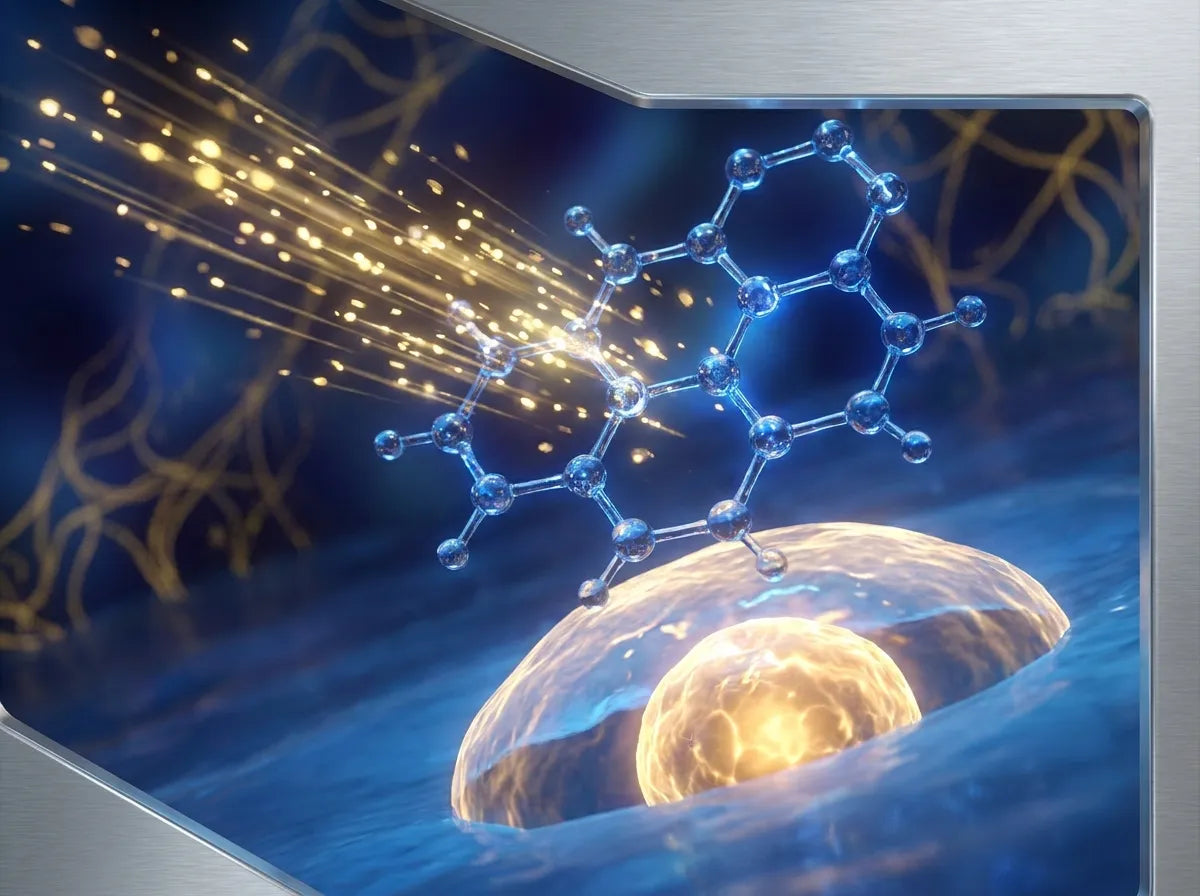
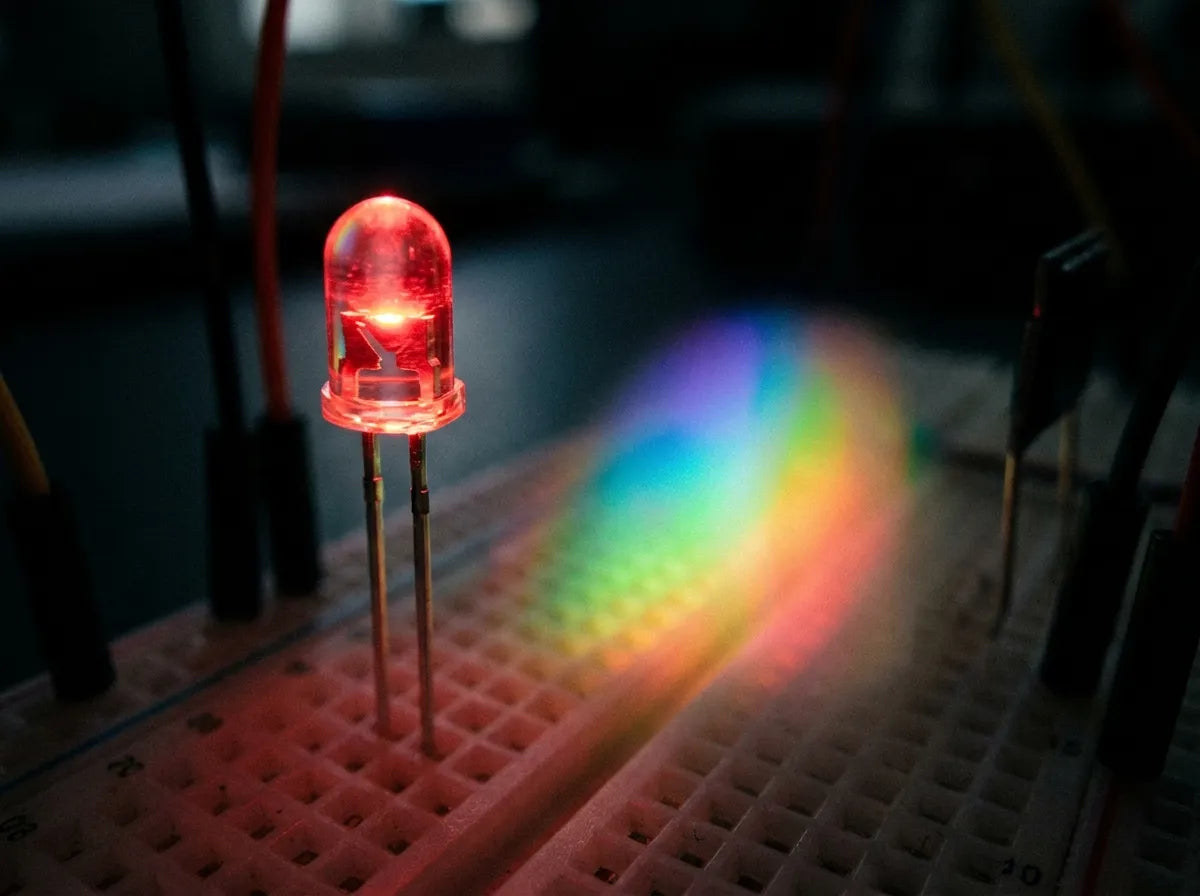
Photobiomodulation (PBM) is the use of specific wavelengths of red and near-infrared light to influence how cells produce energy. Also called red light therapy or low-level light therapy, it is a non-thermal, non-ionising process: light is absorbed by enzymes inside the mitochondria, where it is associated with increased cellular energy and improved local circulation.
The name sounds technical, but the idea is simple. Photo means light, bio means life, and modulation means a gentle adjustment — not a forced change. Photobiomodulation is the precise, scientific term for what most people call red light therapy, and it describes a signal the body already knows how to read.
MechanismHow Does It Work?
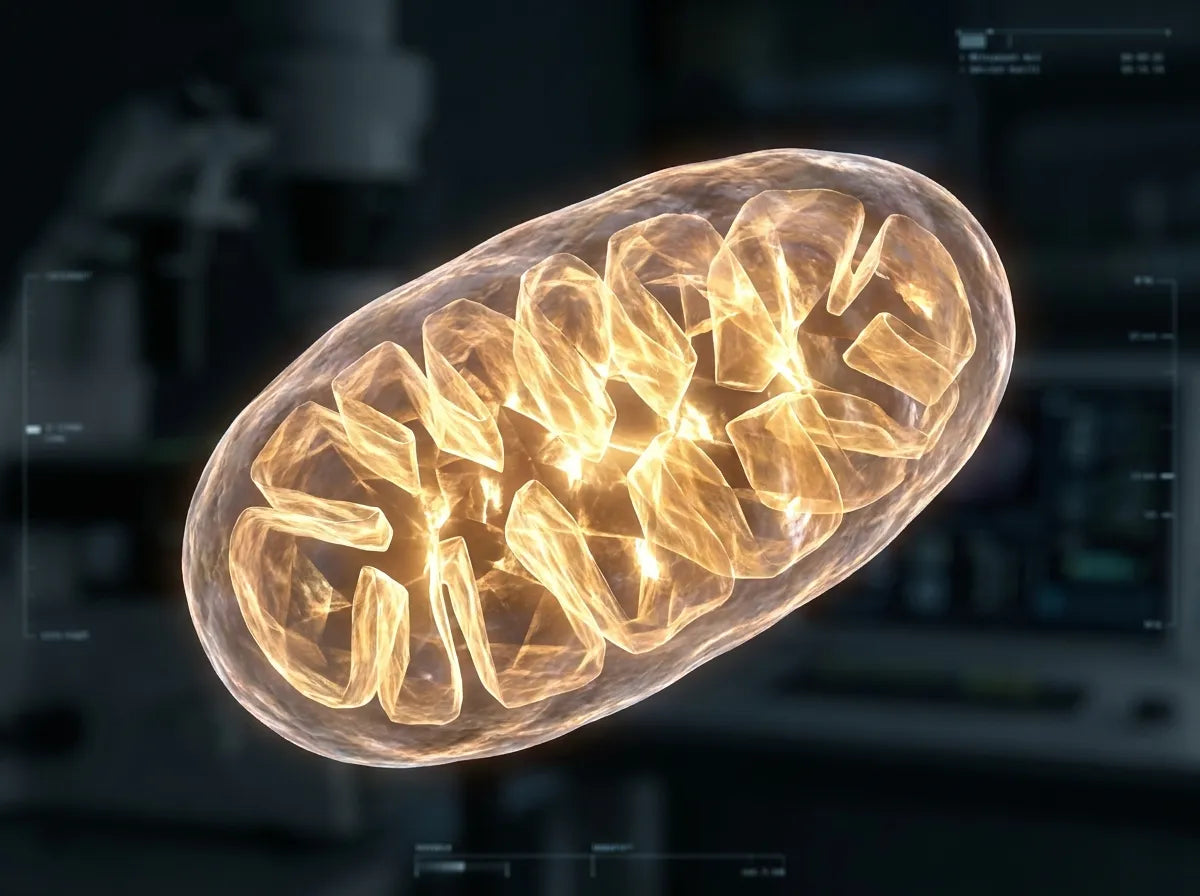
When red or near-infrared light reaches a cell, much of it is absorbed by an enzyme in the mitochondria called cytochrome c oxidase — described as the primary photoacceptor for this band of light (Karu, 1999). This enzyme sits near the end of the electron-transport chain, the assembly line that produces ATP, the cell's energy currency.
Two things are thought to follow. The light briefly releases nitric oxide that had been bound to the enzyme, which relaxes nearby blood vessels and is associated with improved local circulation. With that inhibition lifted, the electron-transport chain moves more freely, and the cell is associated with making slightly more ATP (Hamblin, 2018; de Freitas & Hamblin, 2016). None of this is heat — it is closer to a signal the cell already knows how to read.
A photon of red light is not warmth on the skin. It is information the mitochondria evolved to recognise.
The SpectrumWhich Wavelengths Are Used?
Not all light does the same work. Wavelength decides how deep light travels and which tissues it reaches. Visible red, roughly 630–660nm, is absorbed near the skin surface. Near-infrared, roughly 810–1070nm, is invisible and penetrates further into muscle, joints and nervous tissue (Salehpour et al., 2019).
| Band | Wavelength | Where it acts |
|---|---|---|
| Red | 630–660 nm | Skin surface — studied for tone and collagen |
| Near-infrared | 810–1070 nm | Deeper — muscle, joints and nervous tissue |
Action-spectrum research has mapped the absorption peaks of cytochrome c oxidase to specific red and near-infrared bands (Karu & Kolyakov, 2005), which is why credible devices publish their exact wavelengths rather than a single vague number.
EvidenceWhat Is It Studied For?
Photobiomodulation is one of the most-studied areas in light biology, with a large body of laboratory and clinical research. It is important to be precise: PBM is associated with, and studied for, supporting several processes — it is not a treatment or cure for any condition.
Across these areas the quality of evidence varies. We grade and link every claim, so you can read the underlying studies for yourself rather than take a marketing line on trust.
DosageHow Much Light? (Dosing)
Light therapy follows a rule that surprises people: more is not better. Photobiomodulation has a biphasic dose response — a moderate dose helps, too little does nothing, and too much can blunt the effect (Huang et al., 2009).
Dose is measured in joules per square centimetre (J/cm²) — irradiance multiplied by time. The right dose depends on wavelength, distance and the area being lit, so rather than guess, it helps to calculate it or follow a ready-made protocol.
The Full SpectrumBeyond Red And Near-Infrared
Red and near-infrared are only part of the picture. Sunlight is full-spectrum — it arrives as ultraviolet, the entire visible range and a deep tail of near-infrared, all at once. A device that emits red and near-infrared alone delivers roughly half of that signal.
Sunlight never sent a single wavelength. It sent the whole spectrum — and our biology evolved to read all of it.
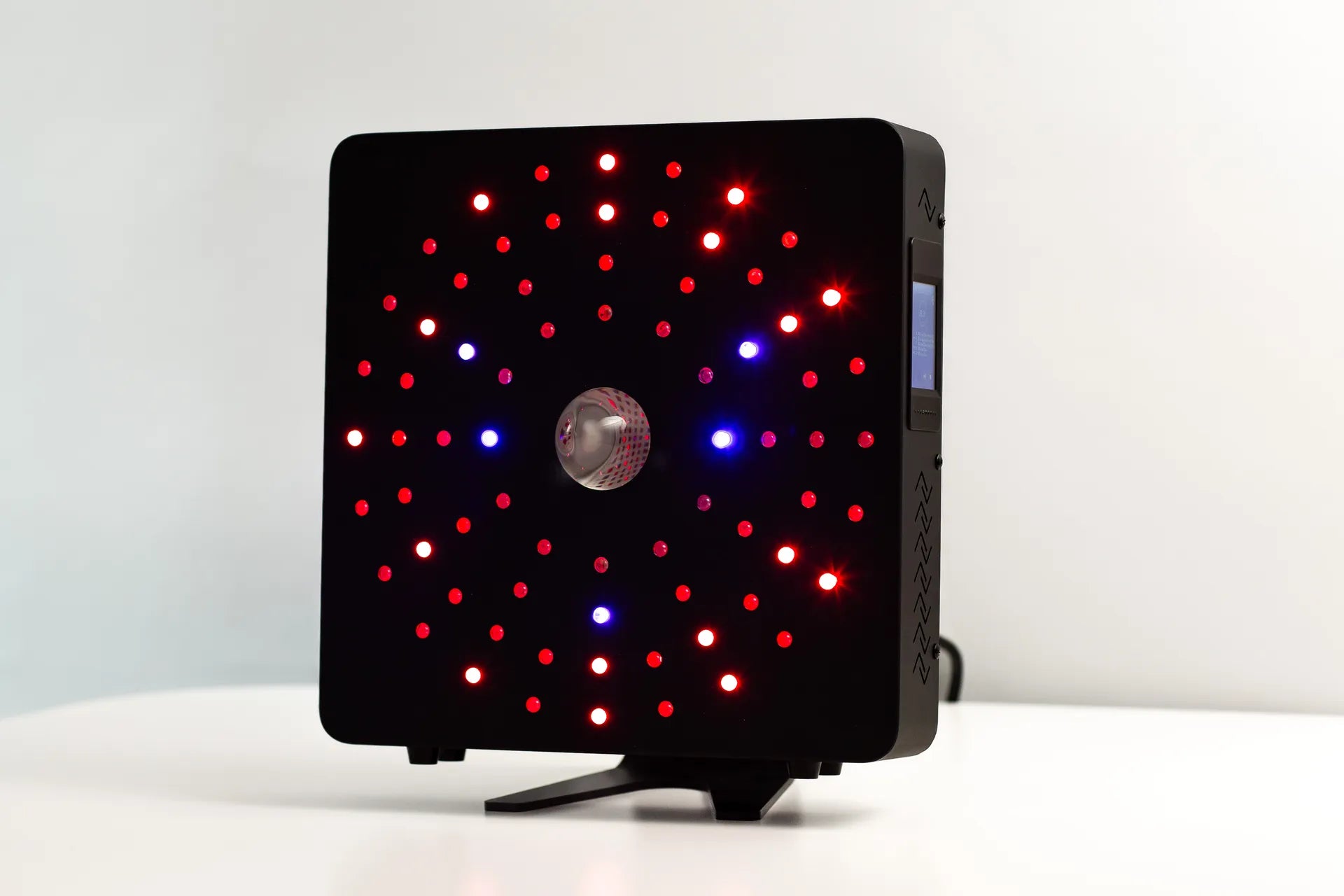
This is the idea behind REDelios ONE (€1,580): a full-spectrum device spanning 297–1280nm. Alongside red and near-infrared, it adds measured, time-limited ultraviolet — 297nm, the band associated with vitamin-D synthesis in skin (MacLaughlin et al., 1982), and 365nm UVA, associated with nitric-oxide release and circulation (Liu et al., 2014). It is the closest a home device comes to the breadth of daylight. We Copy The Sun.
Educational, not medical advice. Photobiomodulation supports, and is studied for, the processes described here; it is not used to diagnose, treat or cure any condition. Mechanisms draw on the published literature (e.g. Karu; Hamblin) and remain an evolving field. If you have a medical condition, speak with a qualified professional. Last updated June 2026.