Morning Light And The Cortisol Curve
A practical morning protocol for aligning energy, alertness and your circadian rhythm.

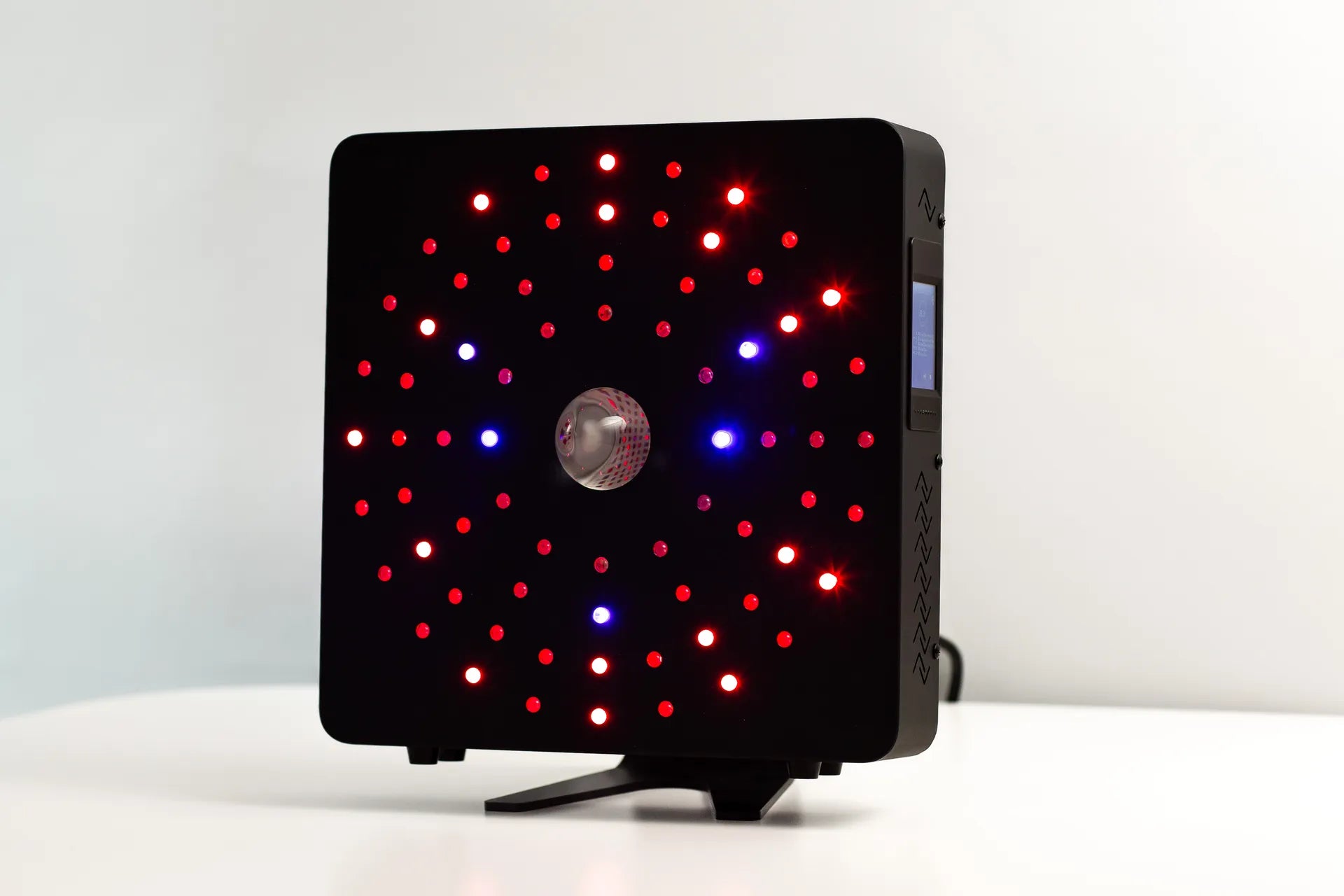
The first thing your body wants each morning isn't coffee. It's light — bright light in the eyes, early. It is the single most reliable signal your internal clock uses to start the day.
Cortisol has a worse reputation than it deserves. In a healthy rhythm it rises sharply in the first hour after waking — the cortisol awakening response — giving you alertness and drive, then falls steadily through the day so melatonin can rise at night. Light is what anchors that curve in time.
The MechanismWhat Morning Light Actually Does
Special cells in the retina read overall brightness and report to the master clock in the brain. Bright morning light sharpens the cortisol peak, sets your alertness for the day, and — roughly fourteen to sixteen hours later — helps time the evening release of melatonin. Get the morning right and the night often takes care of itself.
Morning light is the most powerful — and least used — tool we have for daytime energy and nighttime sleep.
The ProtocolA Simple Morning Sequence
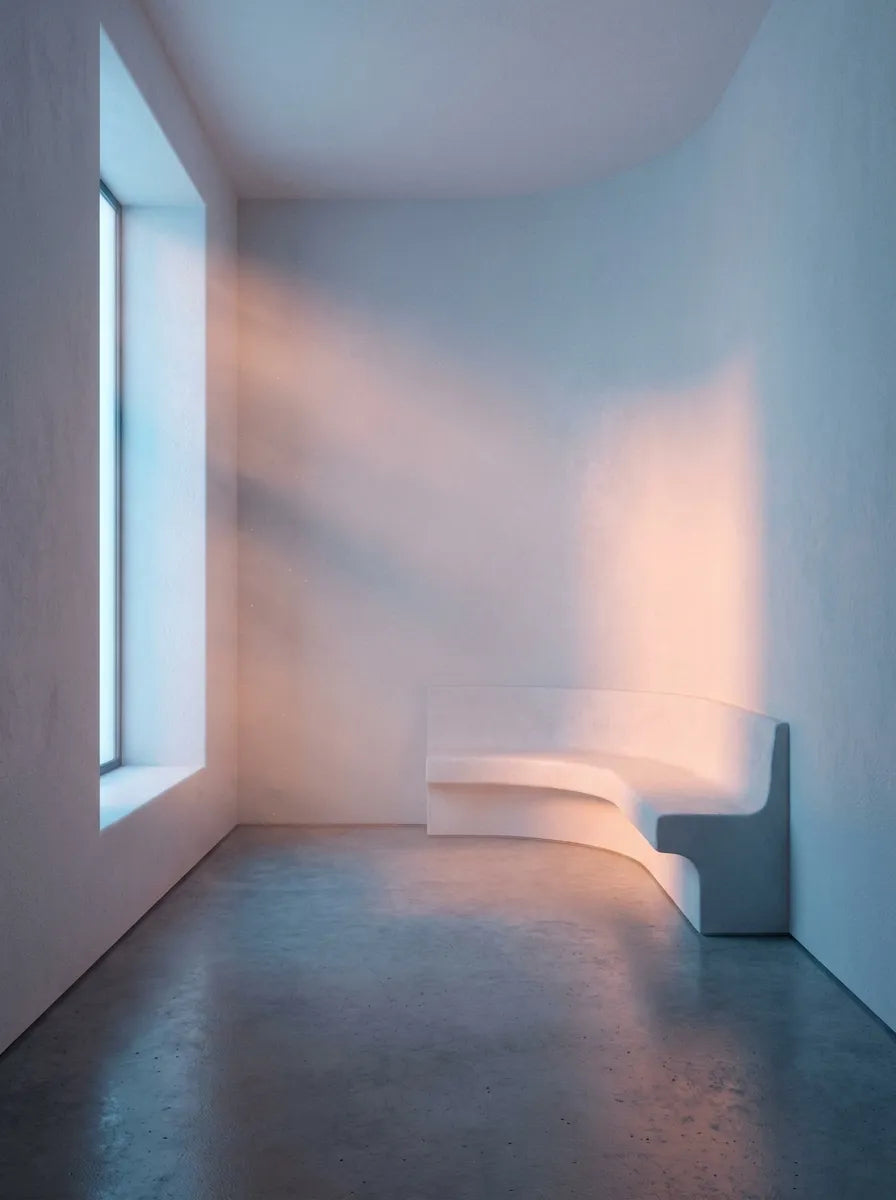
You don't need perfect weather or a spare hour. You need consistency and timing. The aim is a strong, early light signal within the first half hour of waking.
It is the simplest protocol in this journal, and often the one people feel first. Light, early, every day — then let biology do the rest.
Educational, not medical advice. General guidance only; if you have a sleep or hormonal condition, speak with a qualified professional.